 Embroidery (Bordado)
Bordado Ayacuchano: The Living Art of Peru's Embroidered Heartland
A City Stitched in Color
Ayacucho, a highland city in Peru's south-central Andes, has long been considered one of the cradles of Peruvian artisan culture. It is a place where colonial and pre-Columbian traditions met, fused, and produced something entirely its own. Among those traditions, bordado ayacuchano — the region's distinctive hand embroidery — stands as one of the most visually striking crafts still practiced in Peru today.
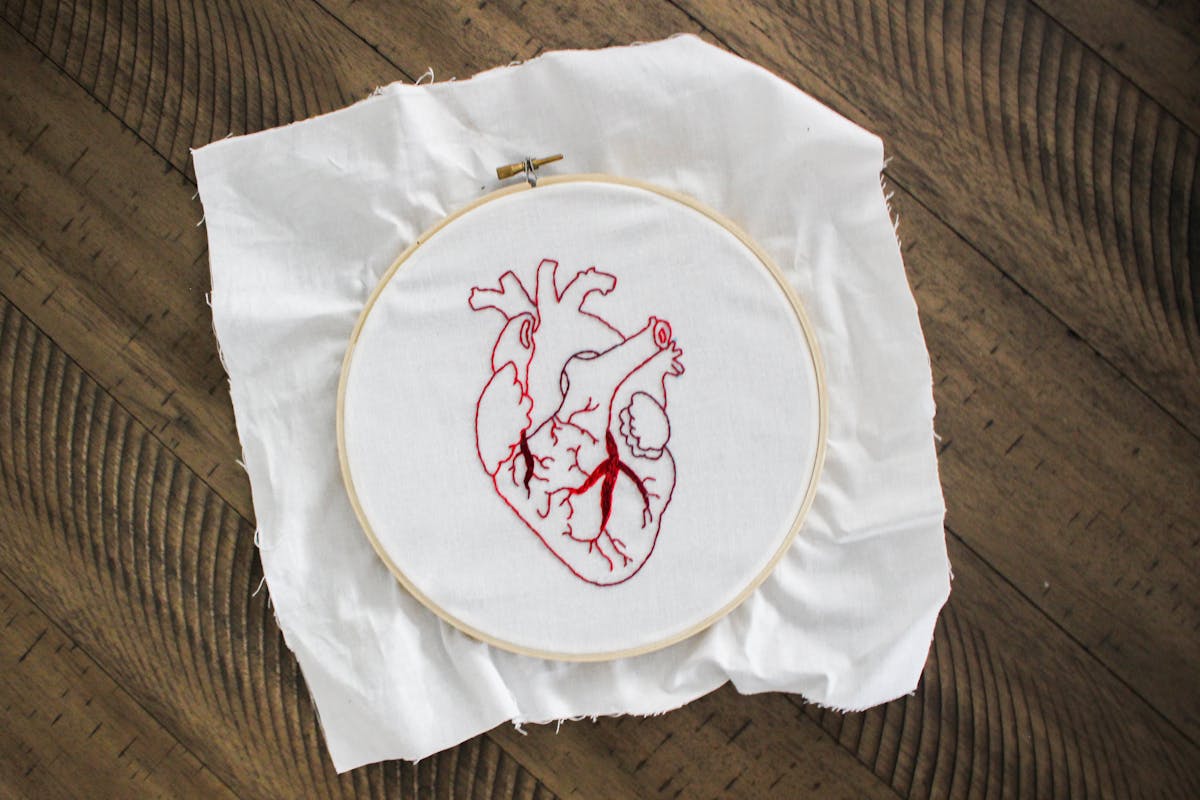
Characterized by dense floral and figurative motifs worked in vibrant threads onto dark wool or cotton grounds, Ayacucho embroidery adorns everything from festival garments and religious vestments to wall hangings and decorative textiles sold through artisan markets. The style is exuberant by design: bold blooms, birds, and Andean landscapes rendered in satin stitch, chain stitch, and layered fill work that rewards close inspection.
Embroidery and Weaving Are Not the Same Thing
A common point of confusion for buyers new to Peruvian textiles is the distinction between bordado (embroidery) and tapiz (tapestry weaving). These are fundamentally different techniques. Tapestry weaving — including the celebrated tapiz ayacuchano — builds an image by interlacing colored weft threads on a loom to create a picture that is structural to the cloth itself. Embroidery, by contrast, applies thread on top of a pre-existing ground fabric using a needle, allowing for a different kind of detail, dimensionality, and expressive freedom.
This distinction matters for recognition as well. In 2023, the Peruvian government declared the tapiz ayacuchano a Patrimonio Cultural de la Nación — a national cultural heritage designation. The retablo ayacuchano, Ayacucho's iconic painted plaster diorama boxes, received the same designation in 2019. Bordado ayacuchano, while deeply embedded in regional identity, does not yet carry a formal national heritage declaration — a distinction worth knowing if you're buying or representing these textiles and want to be accurate about their status. For comparison, the embroidery tradition of the Colca Valley in Arequipa — the bordado del Valle del Colca — received its own Patrimonio Cultural recognition in 2018, demonstrating that Peru's heritage institutions do recognize regional embroidery traditions when formal documentation processes are completed.
How Peru Officially Classifies Hand Embroidery
Despite the absence of a specific heritage declaration, bordado ayacuchano operates within a well-recognized national framework. According to MINCETUR, Peru's Ministry of Foreign Trade and Tourism, bordado a mano (hand embroidery) is one of the official artisanal textile lines recognized and catalogued across the country. This classification helps direct export support, fair trade programs, and market development for embroiderers working in regions like Ayacucho, Cusco, and Puno.
The Ministerio de Cultura's artisan platform, Ruraq Maki — which translates roughly as "made by hand" — further documents and promotes living artisan traditions in Peru, including embroidery. Ruraq Maki serves as one of the most authoritative public records of who is making what, and where, across Peru's diverse artisan communities. Buyers researching the provenance of embroidered textiles can use it as a starting reference.
The People Behind the Thread
At Alpaca Culture, we work directly with more than 280 artisan workshops across 12 regions of Peru, including communities in and around Ayacucho where embroidery is still passed from mothers to daughters in domestic workshops. Many of the embroiderers we partner with produce work for local festivals and religious ceremonies first — the pieces that reach international buyers represent the same craft vocabulary, translated into formats suited for homes, hotels, and galleries.
When you purchase a piece of bordado ayacuchano through Alpaca Culture, you're not buying a souvenir. You're buying a practice — one that has absorbed Spanish colonial influences, held fast to Andean cosmology, and continued evolving through every generation that picked up a needle.
What to Look For
Quality bordado ayacuchano is distinguished by tight, consistent stitch tension; layered color blending within individual motifs; and the characteristic density of coverage that gives finished pieces their almost textile-painting quality. Look for even back-stitch construction and ground fabric that hasn't puckered or distorted under the embroidery's weight — signs of an experienced hand and properly tensioned work.