 Crochet
Ganchillo: The Sacred Thread Connecting Peruvian Women to the World's Runways
An Ancient Craft, Officially Recognized
In Peru, textile artistry is not a hobby — it is a heritage. Crochet, known locally as ganchillo, holds official status as an artisanal textile technique under Peru's Ministry of Foreign Trade and Tourism (MINCETUR). This recognition places it within a protected national registry, the Registro Nacional de Artesanos, which documents and safeguards the country's living craft traditions. According to MINCETUR, 63% of all registered artisans in Peru belong to the textile line — a figure that underscores just how central fabric, thread, and fiber are to Peruvian cultural identity.
The Women Behind the Hook
Among those registered textile artisans, 80% are women — a statistic, according to MINCETUR's own data, that tells a story of matrilineal knowledge, economic resilience, and creative leadership. In communities across the Andes, from the altiplano of Puno to the valleys of Cusco, women have long been the keepers of textile knowledge. Ganchillo is passed from grandmother to granddaughter not merely as technique but as language — a way of encoding cultural memory into every loop and stitch.
This is not a romanticized notion. It is the lived reality of cooperatives like Jomatex, based in Puno, where more than 40 Quechua and Aymara women have organized themselves into a working collective that produces textiles of exceptional quality. Their craft draws on centuries of Andean fiber tradition, now executed with alpaca and other native fibers in forms both ancient and contemporary.
From Puno to Paris: The Alpaca Lab Connection
The Jomatex cooperative's reach extends well beyond the altiplano. Through PROMPERÚ's "Alpaca Lab" program — a government-backed initiative designed to connect Peruvian artisans with the international fashion industry — the women of Jomatex collaborated directly with Max Mara, the Italian luxury house. This partnership was not a charity arrangement or a novelty commission. It was a co-creation between artisans and designers, grounded in mutual respect for craft and material.
PROMPERÚ has been instrumental in amplifying this kind of connection, regularly presenting Peruvian textile traditions at Première Vision Paris, one of the fashion industry's most influential fabric trade fairs. At the 2025 edition, Peru generated an estimated USD 16 million in business opportunities — a testament to the global appetite for ethically sourced, artisan-made textiles with genuine provenance.
Why Ganchillo Matters Now
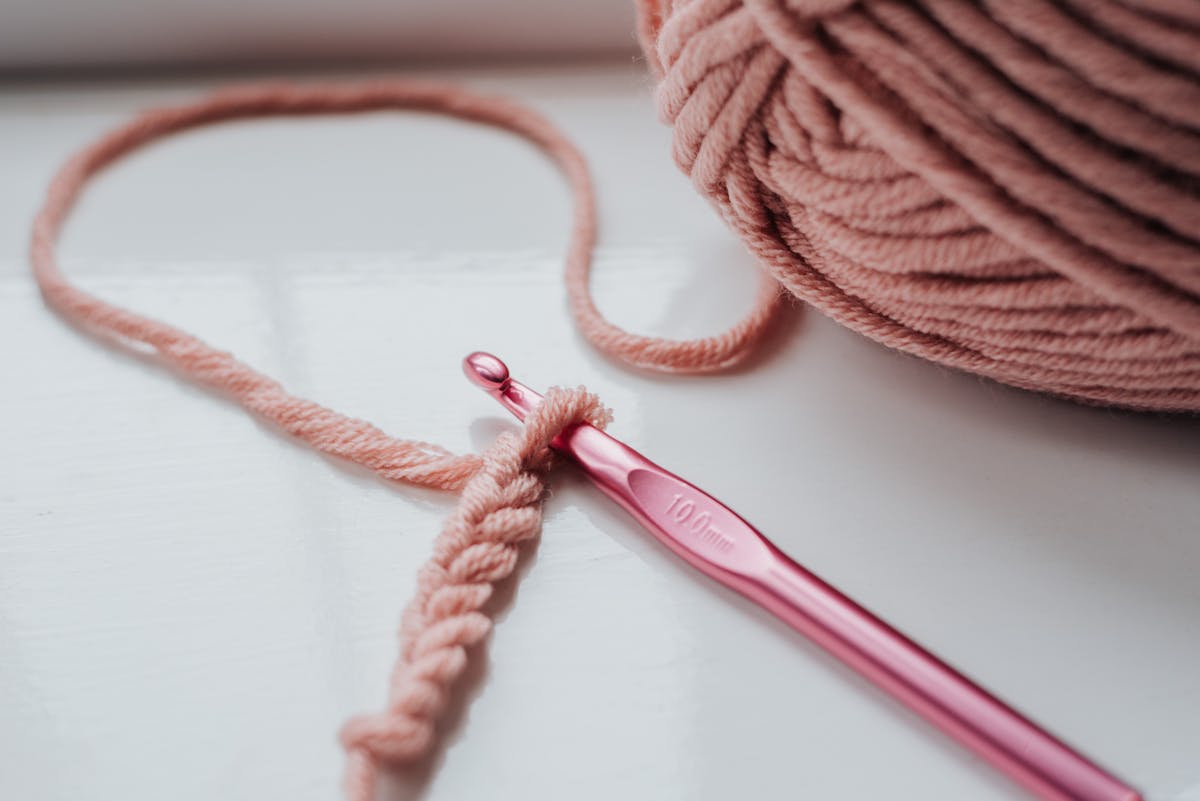
In a fashion landscape increasingly shaped by questions of sustainability, supply chain transparency, and cultural authenticity, Peruvian ganchillo occupies a rare and valuable position. It is traceable to a specific region, a specific community, and often a specific pair of hands. The hook marks, the tension of the thread, the choice of alpaca fiber — these are not variables optimized by an algorithm. They are decisions made by women with decades of embodied knowledge.
When you hold a crocheted alpaca piece from the Peruvian highlands, you are holding the result of an unbroken chain of transmission: skill taught, refined, and passed forward by women who understood that making things well is itself a form of resistance and pride. MINCETUR's recognition formalizes what Andean communities have always known — ganchillo is not a minor craft. It is a cornerstone of Peruvian cultural production.