 Knitting (Tejido de Punto)
From Juliaca to Philadelphia: The Journey of a Hand-Knitted Baby Alpaca Piece
A City Born to Knit
Nestled at 12,549 feet above sea level in the Puno region of southern Peru, Juliaca earns its nickname honestly. "Ciudad Calcetera" — Stocking City — is not a marketing phrase. It is a living description of a place where hand knitting is not a hobby but a vocation, passed from grandmother to grandchild across generations of Quechua and Aymara families. Narrow market lanes overflow with cones of spun fiber, and the rhythmic click of needles is as common a sound as the wind crossing Lake Titicaca just miles away.
It is here that many of the hand-knitted pieces carried by Alpaca Culture begin their long journey to Philadelphia.
The Fiber Behind the Craft
What makes Juliaca's knitwear exceptional is inseparable from the animal at its source. According to MIDAGRI (Peru's Ministry of Agrarian Development), Peru is home to approximately 4.3 million alpacas — roughly 80% of the world's total population of 6 million. These animals, bred across the high-altitude grasslands of the Andes called puna, produce a fiber with no commercial equal for softness and thermal regulation.
Not all alpaca fiber is created equal, however. Peru's national standards body, INACAL, classifies "baby alpaca" under technical standard NTP 231.303 as fiber measuring under 23 microns in diameter. To put that in perspective, a human hair averages 70 microns. Baby alpaca does not necessarily come from a young animal — it refers to the finest grade of fleece shorn from specific areas of the animal's body, or from animals whose genetics consistently yield ultra-fine fiber.
Maintaining and improving those genetics is the work of INIA (Instituto Nacional de Innovación Agraria), which operates the world's only alpaca germplasm bank at its Estación Experimental Illpa in Puno — just 25 miles from Juliaca. The bank preserves genetic material from over 1,600 alpacas representing 18 distinct color shades, supporting a breeding program designed to protect fiber fineness and color diversity for future generations of artisans and herders alike.
Hands That Remember Every Stitch
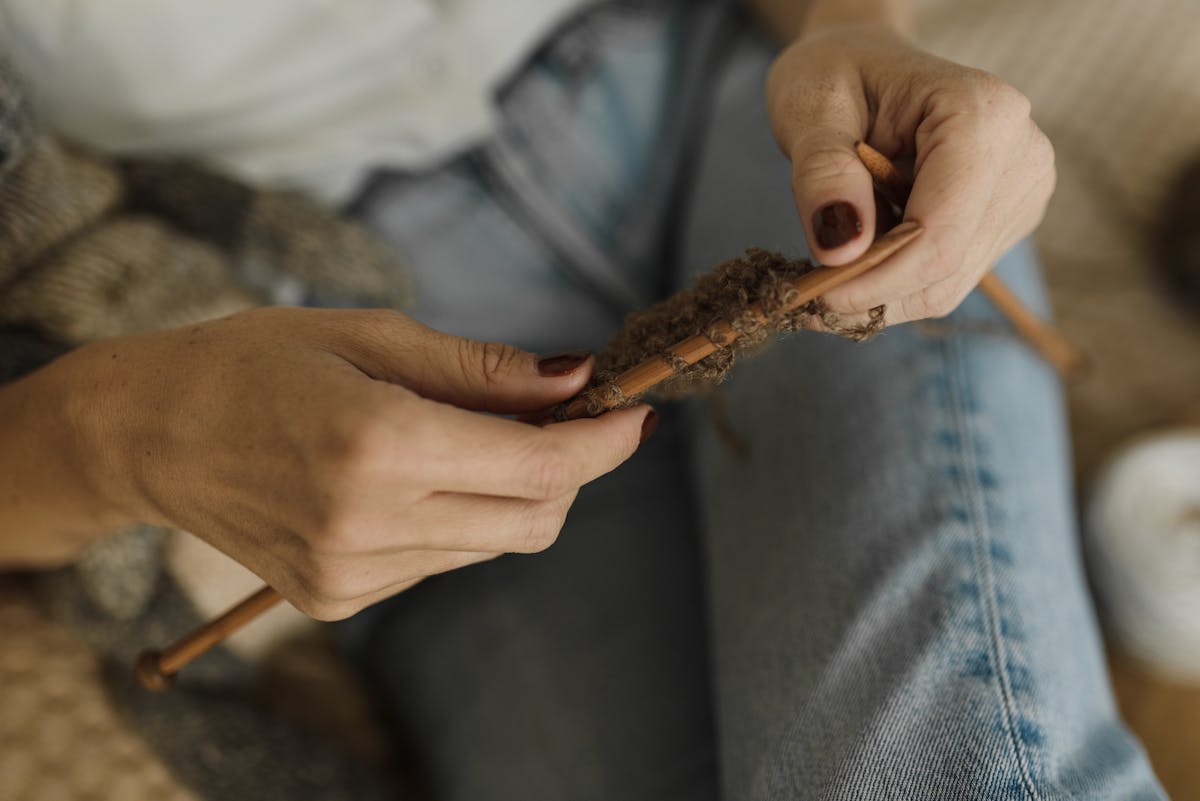
In Juliaca's workshops, knitting is rarely done by machine for the pieces Alpaca Culture selects. Artisans work flat or in the round using techniques — color-stranded pallay patterning, structured ribbing, seamless construction — that cannot be replicated at speed without losing what makes them meaningful. As of recent data, 81 textile artisans have been formally certified by MINCETUR (Peru's Ministry of Foreign Trade and Tourism) for their mastery of traditional techniques, a recognition that carries both cultural weight and market credibility.
Alpaca Culture works with more than 280 workshops spread across 12 regions of Peru, with a strong concentration in the Puno corridor where Juliaca sits. Each relationship is built on fair compensation, consistent orders, and a commitment to preserving technique over convenience.
Philadelphia as the Final Destination
When a hand-knitted baby alpaca piece arrives in Philadelphia, it carries with it the altitude of the Andes, the precision of INACAL's fiber standards, and the skill of a knitter who likely learned the craft before she could read. B2B partners — museums, boutique hotels, design-forward galleries — increasingly seek out these provenance stories as a counterweight to fast-fashion saturation. Conscious consumers want to know whose hands shaped what they bring into their homes.
The journey from Juliaca to your living room is not a supply chain. It is a thread — literal and cultural — connecting two cities across 3,500 miles of ocean and altitude.
``` ---